
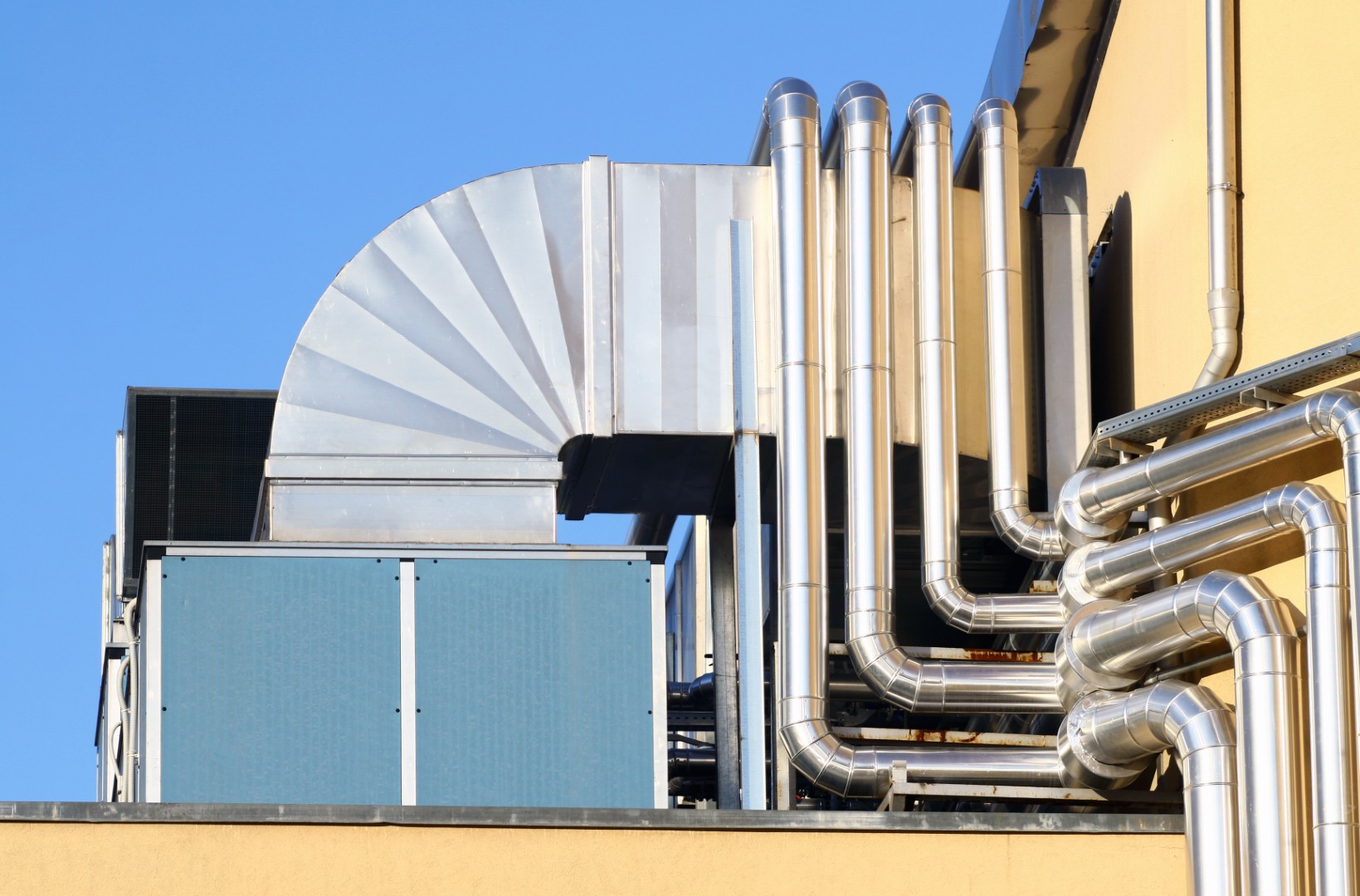
As temperatures begin to rise, many businesses start preparing their buildings for warmer weather. Spring is one of the best times to schedule commercial HVAC installation because it allows companies to upgrade or replace systems before the peak cooling season arrives.
A properly installed HVAC system helps commercial buildings maintain comfortable indoor environments while keeping energy costs under control. Businesses that plan ahead can avoid emergency replacements during the hottest months of the year and make sure their systems are ready when summer demand increases.
For property managers, facility operators, and business owners, planning HVAC upgrades during spring helps maintain reliable cooling performance throughout the summer.
Why Businesses Should Prepare HVAC Systems Before Summer
Commercial buildings depend on reliable HVAC systems to keep employees, customers, and equipment comfortable. Preparing systems before temperatures climb helps prevent unexpected downtime and expensive repairs.
Prevent Costly Mid-Summer Breakdowns
During summer, HVAC systems run harder and longer to keep buildings cool. Older or poorly maintained equipment is more likely to fail under heavy use.
Scheduling installation or upgrades during spring reduces the risk of system failure when cooling demand is at its highest.
Improve Building Comfort
Reliable HVAC equipment keeps indoor temperatures consistent. When systems struggle to maintain temperature, employees and customers may experience uncomfortable working conditions.
Upgrading commercial HVAC equipment helps businesses maintain stable temperatures and better indoor air circulation.
Lower Energy Costs
Newer HVAC systems use advanced technology to operate more efficiently. Businesses that replace outdated equipment often reduce energy consumption and monthly operating costs.
High-efficiency systems help buildings cool more effectively while using less electricity.
Signs Your Commercial HVAC System May Need Replacement
Spring is a good time to evaluate whether an HVAC system is ready for another summer. Several warning signs may indicate that a system needs repair or replacement.
Rising Energy Bills
If utility costs continue to increase despite similar building usage, the HVAC system may be losing efficiency. Aging equipment often consumes more energy as components wear out.
Frequent Repairs
When HVAC systems require frequent service calls, replacement may become more cost-effective than continued repairs.
Uneven Temperatures
Hot and cold spots throughout a building often indicate that an HVAC system is struggling to distribute air properly.
Aging Equipment
Many commercial HVAC systems last between 15 and 25 years. If a system is nearing the end of its lifespan, planning a replacement before summer can prevent unexpected breakdowns.
Benefits of Professional Commercial HVAC Installation
Commercial HVAC installation requires careful system design, proper equipment selection, and professional installation.
Correct System Sizing
Every commercial building has unique heating and cooling requirements. HVAC professionals evaluate building size, layout, and occupancy to determine the appropriate system capacity.
Proper sizing ensures the system can maintain comfortable temperatures without overworking the equipment.
Improved Energy Efficiency
Modern HVAC systems offer improved efficiency compared to older units. Businesses can reduce energy usage while maintaining consistent cooling performance.
Energy-efficient systems also help companies control long-term operating costs.
Long-Term Reliability
Professional installation ensures that HVAC equipment is installed correctly and performs reliably throughout its lifespan.
Properly installed systems experience fewer issues and require less maintenance over time.
Commercial HVAC Solutions for Businesses
Different types of commercial buildings require different HVAC solutions. Offices, retail stores, warehouses, and industrial facilities all have unique heating and cooling demands.
Professional HVAC contractors help businesses choose systems that match their operational needs and building size.
Modern commercial systems can include rooftop units, split systems, or advanced variable refrigerant flow systems that provide precise temperature control across multiple zones.
Choosing the right system ensures the building remains comfortable while maintaining efficient energy usage.
Dowling Corporation Commercial HVAC Installation
Dowling Corporation specializes in commercial HVAC installation and service for businesses throughout the region. Our experienced team works with facility managers, contractors, and property owners to design systems that meet the specific needs of each building.
From system upgrades to full commercial installations, Dowling Corporation helps businesses prepare their facilities for the demands of spring and summer.
Our services include:
- Commercial HVAC installation
- System upgrades and replacements
- Preventative maintenance programs
- Commercial HVAC repair services
By working with experienced HVAC professionals, businesses can ensure their systems operate efficiently and reliably during the hottest months of the year.
Careers in Commercial HVAC
Dowling Corporation continues to grow and is always looking for skilled professionals to join our team.
We’re looking for you! We are an HVAC/R contractor specializing in the installation, repair, and maintenance of heating, ventilation, air conditioning, and refrigeration systems. Our team consists of highly skilled professionals who are passionate about delivering high-quality service.
Dowling Corporation offers competitive salaries, benefits, and training opportunities to help employees build long-term careers in the HVAC industry.
If you are ready for a rewarding and challenging career, we encourage you to submit your resume and learn more about joining the Dowling team.
Frequently Asked Questions
Why should commercial HVAC systems be installed in spring?
Spring offers ideal scheduling flexibility and allows businesses to prepare their buildings before the high cooling demand of summer.
How long does commercial HVAC installation take?
Installation timelines vary depending on building size and system complexity, but many projects can be completed within several days to a few weeks.
How long do commercial HVAC systems last?
Most commercial HVAC systems last between 15 and 25 years with proper maintenance.
How can businesses improve HVAC efficiency?
Businesses can improve efficiency by installing modern systems, performing regular maintenance, and upgrading outdated equipment.
When should a commercial HVAC system be replaced?
If the system is older than 15–20 years, requires frequent repairs, or struggles to maintain comfortable temperatures, it may be time to consider replacement.