
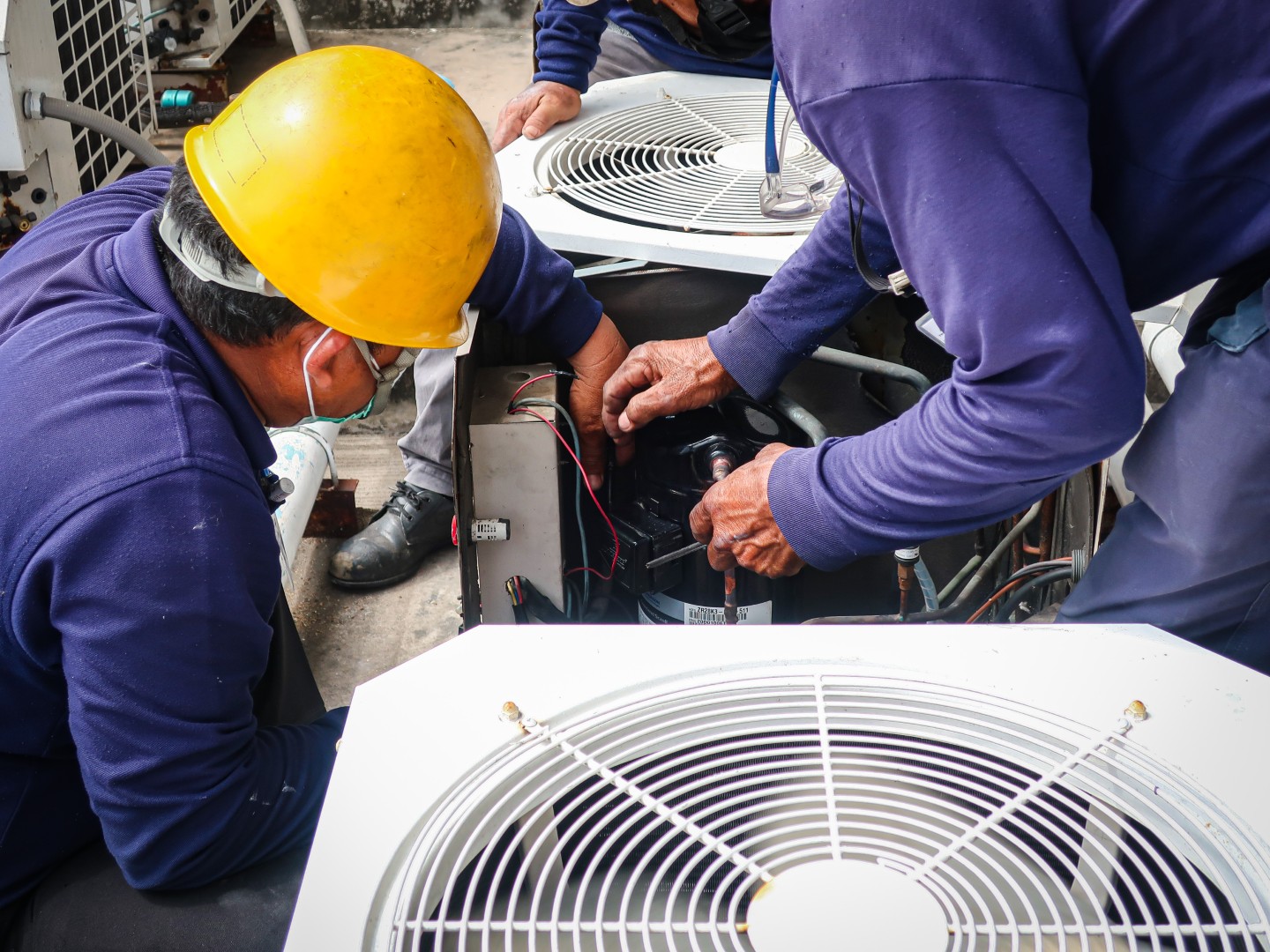
Businesses rely on commercial HVAC systems to keep employees and customers comfortable throughout the year. These heating and cooling systems regulate temperature, control humidity levels, and circulate fresh air through the building.
When companies neglect HVAC maintenance and repairs, their HVAC equipment loses efficiency and becomes more likely to fail. Regular service keeps systems operating safely and helps facility managers avoid costly disruptions.
A proactive service strategy also helps businesses keep their system running efficiently while controlling long-term operating expenses.
Why Preventative HVAC Maintenance Is Important
Companies that schedule preventative HVAC maintenance protect their equipment and improve system performance.
Keep HVAC Systems Running Efficiently
Technicians inspect key components and clean system parts during service visits. They also test airflow and ensure proper airflow throughout the building.
These inspections improve heat exchange performance and help HVAC units maintain stable temperatures. As a result, businesses can operate more energy efficient facilities.
Reduce Energy Costs
Poorly maintained equipment often uses more electricity than necessary. Dirty filters, blocked vents, and worn components force HVAC systems to work harder.
When technicians perform regular HVAC maintenance, they keep systems working properly and help businesses control their monthly utility bill.
Extend the Life of HVAC Equipment
Routine service often extends the life of expensive equipment. Businesses that invest in preventative care reduce the risk of major failures and control long-term maintenance cost.
Consistent service also protects modern HVAC systems from premature wear.
Common HVAC Repairs in Commercial Buildings
Even well-maintained systems sometimes require repairs. Understanding the most common HVAC repairs helps businesses respond quickly when problems arise.
Refrigerant Leaks
Technicians frequently repair refrigerant leaks in commercial cooling equipment. When refrigerant escapes from an AC unit, the system loses cooling power.
An experienced HVAC technician will inspect the system, check refrigerant levels, and examine the refrigerant lines to find and repair the leak.
Airflow Problems
Blocked filters or damaged fans can restrict airflow in HVAC systems. Reduced airflow prevents the system from delivering cool air evenly throughout the building.
Technicians inspect the indoor unit and other components to ensure proper airflow and restore system performance.
Moisture and Water Damage
Clogged drain lines or failing components can cause moisture buildup inside the system. Over time, this moisture may lead to water damage or mold growth.
Routine inspections help technicians identify and correct these issues before they spread.
Benefits of a Commercial HVAC Maintenance Plan
Many companies choose a commercial HVAC maintenance plan to keep their systems reliable year-round.
Scheduled HVAC Maintenance Programs
Businesses that enroll in HVAC maintenance programs receive regular inspections and system tune-ups. During these visits, technicians evaluate equipment performance and confirm the type of HVAC system installed operates properly.
Professional HVAC Maintenance
Trained professionals provide professional HVAC maintenance and know how to maintain complex building systems. Their experience helps them detect issues early and prevent costly system failures.
Priority Service and Emergency Repairs
Maintenance agreements often provide faster response times when problems occur. If equipment fails, technicians can perform emergency repairs quickly to restore comfort.
How Maintenance Improves HVAC System Performance
Consistent service improves overall system performance. During maintenance visits, technicians inspect components, test controls, and confirm that systems operate correctly.
They also check airflow balance, review humidity levels, and monitor equipment performance to ensure the system continues running efficiently.
By maintaining equipment regularly, businesses reduce unexpected HVAC repairs and maintain reliable climate control throughout the building.
Professional HVAC Maintenance and Repairs from Dowling Corporation
Dowling Corporation provides expert service for businesses that rely on dependable climate control. Our team works with facility managers and property owners to maintain commercial HVAC systems across a wide range of industries.
Dowling technicians support businesses through:
- Preventative service and regular HVAC maintenance
- Complete HVAC maintenance and repairs
- Diagnostics and repair for HVAC equipment
- Rapid response for emergency repairs
With experienced technicians and proactive service, Dowling Corporation helps businesses maintain efficient HVAC performance and avoid costly system failures.
Frequently Asked Questions
How often should commercial HVAC systems be serviced?
Most commercial HVAC systems should receive preventative HVAC maintenance at least twice per year. Many businesses schedule service once in the spring before cooling season and again in the fall before heating season. During these visits, an HVAC technician inspects
system components, cleans critical parts, and verifies that the equipment operates safely.
Regular service helps technicians catch small issues before they become expensive repairs. It also ensures that commercial HVAC systems remain reliable during periods of heavy use. Businesses that follow a routine maintenance schedule often experience fewer breakdowns and more consistent system performance throughout the year.
What are the most common HVAC repairs?
Technicians frequently handle several types of common HVAC repairs in commercial buildings. One of the most common issues involves refrigerant leaks in cooling systems. When refrigerant escapes from the AC unit, the system loses cooling capacity and may struggle to maintain indoor temperatures.
Airflow problems also occur when filters clog or fans fail. Restricted airflow prevents the system from distributing cool air properly throughout the building. Technicians often inspect the indoor unit, check fans and ducts, and restore proper airflow.
Electrical issues, damaged components, and blocked drainage lines can also require HVAC repairs. Addressing these issues early helps prevent larger system failures.
Why does preventative maintenance matter?
Preventative HVAC maintenance protects equipment and helps systems perform at their best. When technicians service equipment regularly, they clean components, inspect moving parts, and check refrigerant levels to ensure proper operation.
These inspections help keep the HVAC equipment running efficiently while reducing wear on key components. Businesses that invest in routine service often reduce long-term maintenance cost and prevent unexpected breakdowns.
Preventative maintenance also improves system reliability. By keeping equipment properly adjusted and clean, businesses can maintain consistent indoor temperatures and reduce operational disruptions.
Can HVAC maintenance reduce energy costs?
Yes, routine maintenance can help lower energy use. When systems operate properly, they require less electricity to heat or cool a building.
Dirty filters, worn belts, or blocked vents can force HVAC units to work harder than necessary. This extra strain increases energy consumption and raises the building’s utility bill.
Regular inspections allow technicians to correct these issues and restore system efficiency. As a result, businesses often see improved performance and noticeable energy savings.
What do technicians check during HVAC maintenance?
During maintenance visits, technicians perform a thorough inspection of the system. They examine electrical connections, inspect fans and motors, and confirm that airflow remains balanced throughout the building.
Technicians also inspect refrigerant lines, check refrigerant levels, and test system controls. These steps help identify leaks, airflow restrictions, and other potential issues.
In addition, technicians monitor humidity levels, inspect drainage systems to prevent water damage, and confirm that all system components function correctly. This process ensures the system continues running efficiently and safely throughout the year.